
Class 10 Social Question and Answer: Social Challenges
Looking for SSLC Class 10 Social Science Studies textbook answers? You can download Chapter 4: Social Challenges Questions and Answers PDF, Notes, and Additional Q&A here. SSLC Social Science solutions follow the Karnataka State Board Syllabus, making it easier for students to revise and score higher in exams.
Karnataka SSLC Social Sociology Textbook Answers—Reflections Chapter 4
Social Challenges Questions and Answers, Notes, and Additional Q&A
Class 10 Sociology Chapter 4
Social Challenges
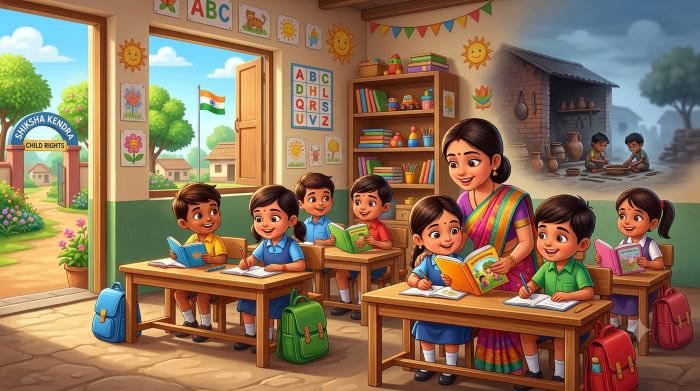
Scroll Down to Download Social Challenges PDF
I. Fill in the blanks with suitable words.
- Article 24 of the Constitution prohibits employing children for work.
- The Prohibition of Child Labour Act came into practice in the year
- The National Policy was framed in
- The Prohibition of Dowry Act first came into effect in 1961.
- The Protection of Children from Sexual Offences (POCSO) Act came into force in
II. Answer the following in one sentence each.
Question 1.
Mention any two social challenges plaguing India.
Answer:
Poverty and unemployment are two social challenges plaguing India.
Question 2.
Who are child labourers?
Answer:
Children below 14 years of age who work to earn money are called child labourers.
Question 3.
What is the meaning of female foeticide?
Answer:
Female foeticide is the practice of killing a female foetus in the womb before birth.
Question 4.
What is female infanticide?
Answer:
Female infanticide is the inhuman practice of killing a female baby after it is born.
Question 5.
What is child marriage?
Answer:
A marriage in which the boy is below 21 years or the girl is below 18 years of age is called child marriage.
III. Discuss the following in groups and answer the following.
Question 1.
Mention the causes for the problem of child labour.
Answer:
The causes of child labour are poverty, domestic conflicts, divorce, domestic violence, excessive control, greed of industrialists, illiteracy, kidnapping of children and pledging them.
Question 2.
What are the consequences of child labour?
Answer:
Child labour affects the physical, mental and emotional development of children. It deprives them of education, nutritious food, proper medical facilities and a normal childhood. They also face physical and mental harassment, exploitation and poor health.
Question 3.
Explain the measures for eradicating the problem of child labour.
Answer:
The government has introduced several measures to eradicate child labour. The Child Labour Prohibition and Regulation Act was enacted in 1986. The National Child Labour Project was launched in 1988 to rescue and rehabilitate child labourers. The Right to Education Act, 2009, provides free and compulsory education to children aged 6–14 years. Rescued children are provided with education, food, shelter and other facilities.
Question 4.
What are the evil effects of the dowry system?
Answer:
The dowry system reduces women’s self-respect, dignity and status. It causes domestic conflicts, financial difficulties and violence against women. It increases family disputes, dowry harassment, female foeticide and female infanticide. It also leads to deception in marriage and an increase in divorces.
Question 5.
What are the solutions for the problem of dowry?
Answer:
The dowry system can be eradicated by strictly implementing the Dowry Prohibition Act, 1961. People should be educated about the evils of dowry and encouraged to reject dowry demands. Women should be empowered, and awareness should be created through mass media, voluntary organisations and women’s associations. Inter-caste marriages and social awareness can also help eliminate this evil.
Question 7.
What are the effects of child marriage?
Answer:
Child marriage hinders the overall development of children and deprives them of education, recreation and interaction with friends. It can lead to malnutrition, anaemia and other health problems. It increases the risk of maternal mortality and exposes children to violence and exploitation. It also affects their physical and psychological well-being.
Additional Questions and Answers – Social Challenges
Question 1.
What is child labour?
Answer:
Child labour refers to the employment of children below 14 years of age to earn money.
Question 2.
Mention any two measures to prevent child labour.
Answer:
The government should strictly implement child labour laws and provide free and compulsory education to children.
Question 3.
What is the National Child Labour Project?
Answer:
The National Child Labour Project was launched in 1988 to rescue child labourers and provide them with education and rehabilitation.
Question 4.
What is the POCSO Act?
Answer:
The Protection of Children from Sexual Offences (POCSO) Act, 2012, protects children below 18 years from sexual offences.
Question 5.
Mention any two reasons for child marriage.
Answer:
Gender discrimination and lack of education are two major reasons for child marriage.
Question 6.
Which law prohibits child marriage in India?
Answer:
The Prohibition of Child Marriage Act, 2006, prohibits child marriage in India.
Question 7.
What is dowry?
Answer:
Dowry is money, jewellery, property or gifts given or demanded in connection with a marriage.
Multiple Choice Questions (MCQs) – Social Challenges
1. Which Article of the Indian Constitution prohibits the employment of children below 14 years in hazardous employment?
A) Article 14
B) Article 19
C) Article 24
D) Article 32
Answer:
C) Article 24
2. In which year was the Child Labour Prohibition and Regulation Act enacted?
A) 1961
B) 1986
C) 1987
D) 2009
Answer:
B) 1986
3. The National Child Labour Project was launched in which year?
A) 1986
B) 1987
C) 1988
D) 2006
Answer:
C) 1988
4. Which Act provides free and compulsory education to children aged 6–14 years?
A) Right to Education Act, 2009
B) Dowry Prohibition Act, 1961
C) POCSO Act, 2012
D) Child Marriage Act, 2006
Answer:
A) Right to Education Act, 2009
5. In which year was the POCSO Act enacted?A) 2006
B) 2009
C) 20
12
D) 2015
Answer:
C) 2012
6. What is the minimum legal age for marriage for a girl according to the chapter?A) 16 years
B) 18 years
C) 20 years
D) 21 years
Answer:
B) 18 years
7. What is the minimum legal age for marriage for a boy according to the chapter?
A) 18 years
B) 19 years
C) 20 years
D) 21 years
Answer:
D) 21 years
8. Which Act prohibits child marriage in India?
A) Child Labour Act, 1986
B) Prohibition of Child Marriage Act, 2006
C) Dowry Prohibition Act, 1961
D) Right to Education Act, 2009
Answer:
B) Prohibition of Child Marriage Act, 2006
9. In which year was the Dowry Prohibition Act enacted?
A) 1947
B) 1956
C) 1961
D) 1986
Answer:
C) 1961
10. What is dowry also called in Kannada in the chapter?
A) Kanyadana
B) Varadakshina
C) Stridhana
D) Vivaha
Answer:
B) Varadakshina
11. What is female foeticide?
A) Educating a girl child
B) Killing a female foetus before birth
C) Adopting a girl child
D) Protecting a newborn baby
Answer:
B) Killing a female foetus before birth
12. What is female infanticide?
A) Killing a female baby after birth
B) Preventing child marriage
C) Providing education to girls
D) Protecting women from harassment
Answer:
A) Killing a female baby after birth
13. Which of the following is a major cause of child labour?
A) Education
B) Poverty
C) Sports
D) Awareness
Answer:
B) Poverty
14. Which of the following is an effect of the dowry system?
A) Gender equality
B) Financial security for all families
C) Domestic conflicts and violence
D) Increased educational opportunities
Answer:
C) Domestic conflicts and violence
15. Which of the following can help eradicate the dowry system?
A) Encouraging dowry demands
B) Promoting awareness and empowering women
C) Supporting gender discrimination
D) Ignoring dowry harassment
Answer:
B) Promoting awareness and empowering women
16. Which of the following is a consequence of female foeticide?
A) Balanced gender ratio
B) Imbalanced gender ratio
C) Increased literacy
D) Reduced discrimination
Answer:
B) Imbalanced gender ratio
17. Which of the following is a cause of child marriage?
A) Girls’ education
B) Gender discrimination
C) Social awareness
D) Equal opportunities
Answer:
B) Gender discrimination
18. Which helpline number is mentioned in the chapter for reporting child marriage?
A) 100
B) 101
C) 1098
D) 108
Answer:
C) 1098
19. Who is responsible for protecting children’s rights?
A) Only teachers
B) Only parents
C) Only the government
D) All citizens
Answer:
D) All citizens
20. Which of the following is a social challenge mentioned in the chapter?
A) Unemployment
B) Cooperation
C) Equality
D) Education
Answer:
A) Unemployment